Amazon’s New Freight Services: What They Mean for Logistics, Warehousing, and Material Handling
The logistics industry has been watching Amazon build one of the world's largest transportation networks for years. What began as an effort to support its own e-commerce operations has evolved into a sophisticated ecosystem of fulfillment centers, transportation assets, aircraft, trailers, and advanced technology.
Now, Amazon is taking the next step.
With the continued expansion of Amazon Freight and the launch of Amazon Supply Chain Services, Amazon is opening more of its logistics capabilities to businesses outside of its marketplace. Companies can now leverage Amazon's freight, distribution, fulfillment, and parcel-shipping infrastructure—even if they don't sell products on Amazon. This marks a significant shift in the logistics landscape and could have far-reaching implications for manufacturers, distributors, warehouse operators, and material handling professionals.
Amazon Is No Longer Just a Retail Giant
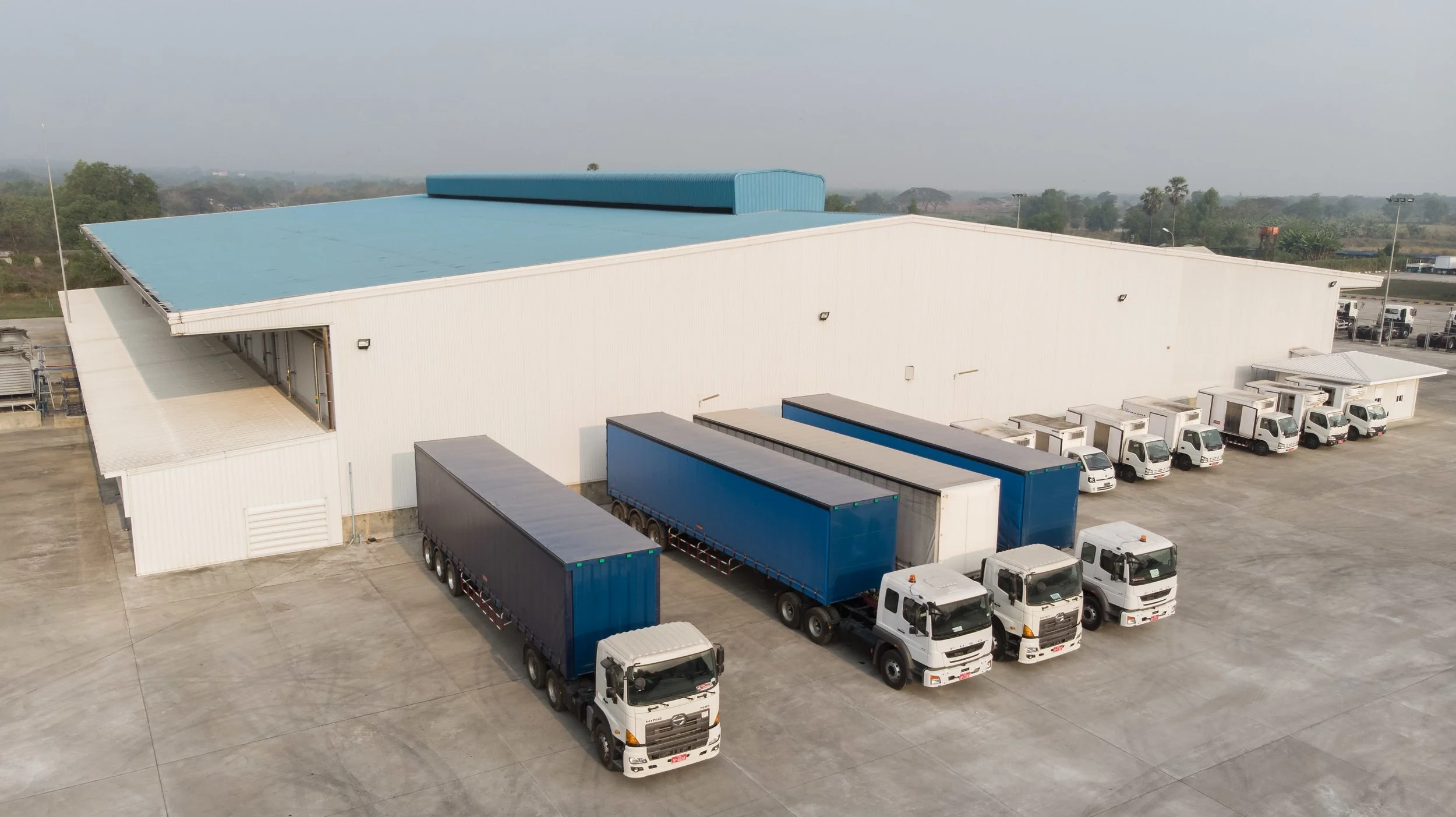
For years, Amazon built its transportation network to support its own growth. Today, that network includes:
Extensive freight transportation capabilities
Full truckload (FTL) services
Less-than-truckload (LTL) services
Intermodal transportation
Air freight capabilities
Distribution and fulfillment services
End-to-end parcel delivery networks
Amazon's logistics infrastructure now includes more than 200 fulfillment centers, tens of thousands of trailers and containers, and over 100 cargo aircraft. By opening these capabilities to external businesses, Amazon is positioning itself as a major player in third-party logistics and freight services.
What This Means for the Logistics Industry
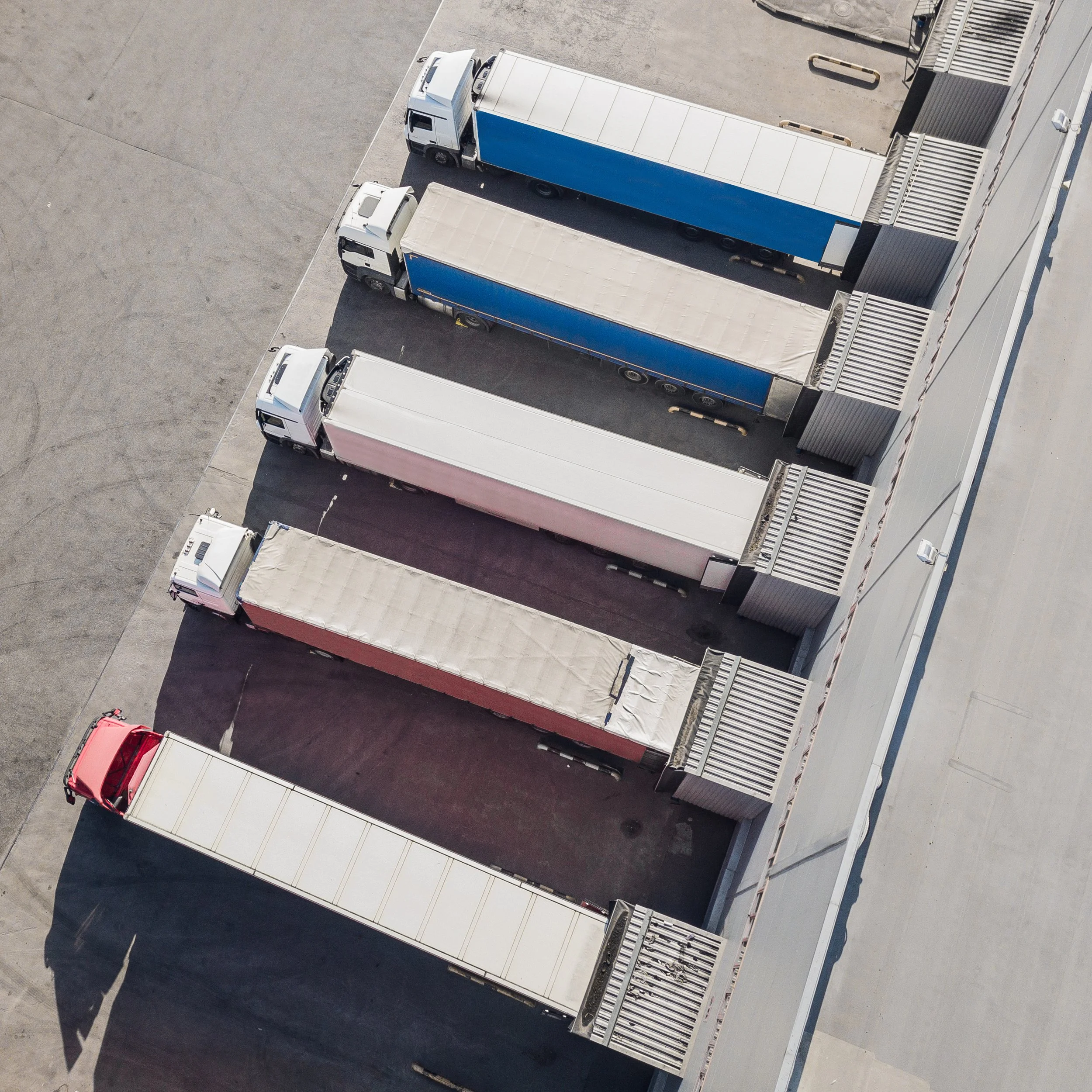
Amazon's expansion into freight services is likely to increase competition throughout the logistics sector.
Industry leaders such as UPS, FedEx, traditional 3PLs, and freight providers have long dominated transportation and fulfillment services. Amazon's ability to leverage its existing infrastructure creates a new competitive force that many analysts believe will reshape the market. In fact, investor reaction to Amazon's announcement immediately impacted transportation and logistics stocks, signaling how seriously the industry is taking this development.
As competition increases, businesses may benefit from:
More transportation options
Increased service visibility
Faster delivery expectations
Improved shipment tracking
Greater pricing pressure across the market
For shippers, this could lead to greater flexibility and potentially lower transportation costs over time.
The Material Handling Impact: More Throughput Required
While much of the conversation centers on transportation, the material handling implications may be even more significant.
As freight networks become faster and more interconnected, distribution centers and manufacturing facilities will face increased pressure to process products at higher volumes and faster speeds.
This means facilities will need to evaluate:
Sortation Capacity
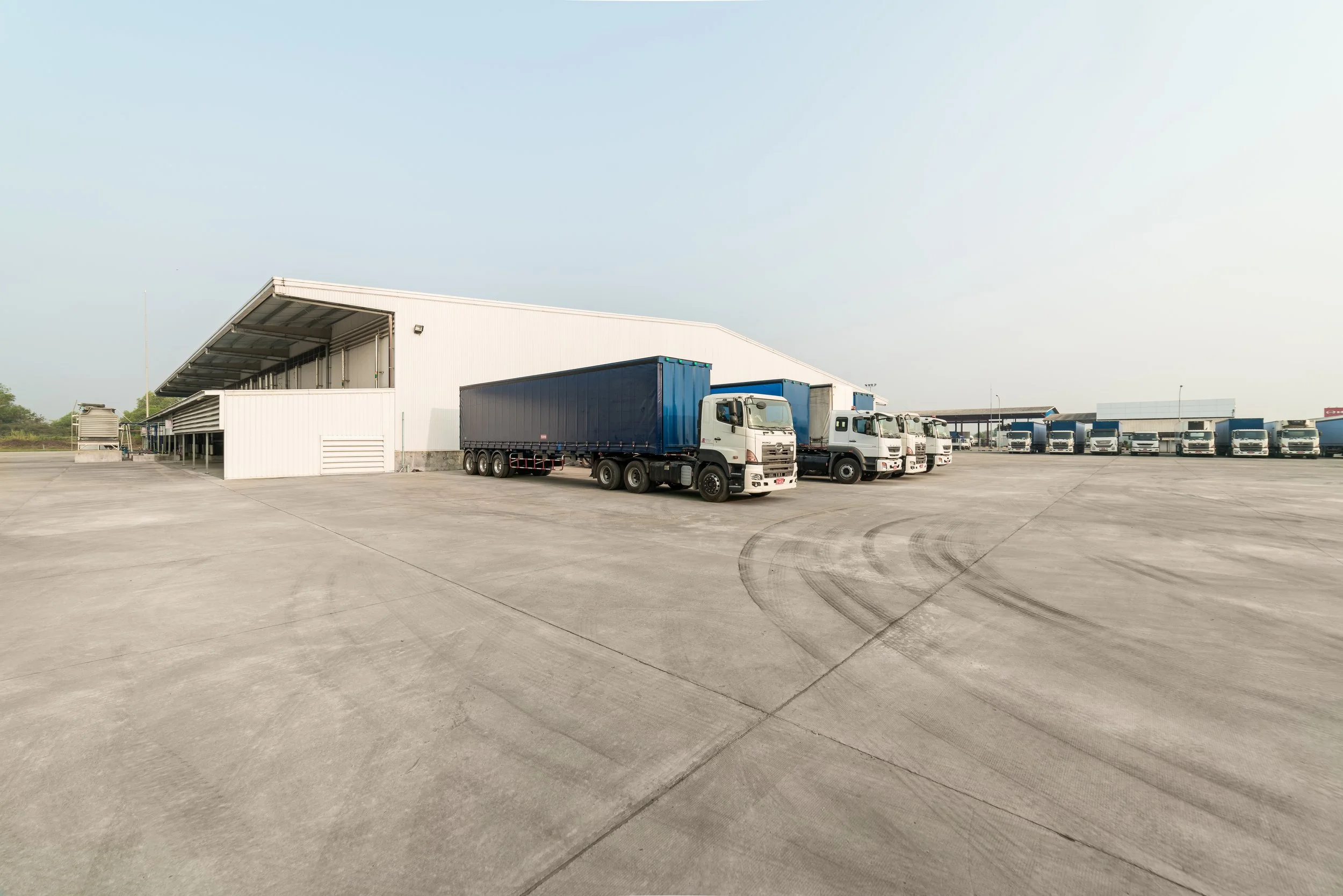
As order volumes increase, traditional manual sorting methods may become bottlenecks. Advanced sortation technologies will become increasingly important for maintaining throughput requirements.
Conveyor System Scalability
Facilities may need more flexible conveyor systems capable of handling fluctuating demand and evolving fulfillment strategies.
Robotic Palletizing & Depalletizing
As shipment volumes rise, robotic automation can help facilities reduce labor constraints while maintaining productivity and consistency.
Automated Packaging Solutions
Faster transportation networks create pressure on upstream operations. Automated packaging systems can help ensure products move through fulfillment environments efficiently and accurately.
Why Integrators Will Become More Important
One of the biggest misconceptions about automation is that success comes from buying equipment.
In reality, success comes from integration.
As logistics networks become more sophisticated, facilities will increasingly rely on multiple technologies working together:
Conveyors
Robotics
Sortation systems
Warehouse software
Automated packaging
Autonomous mobile robots (AMRs)
Storage and retrieval systems
Connecting these technologies into a cohesive operation is where experienced integrators create value.
At Quintec Integration, we see this as one of the most important industry trends over the next several years. As companies strive to keep pace with rising fulfillment expectations, they will need partners capable of designing and implementing scalable systems that support long-term growth.
Brownfield Facilities Will Face New Challenges
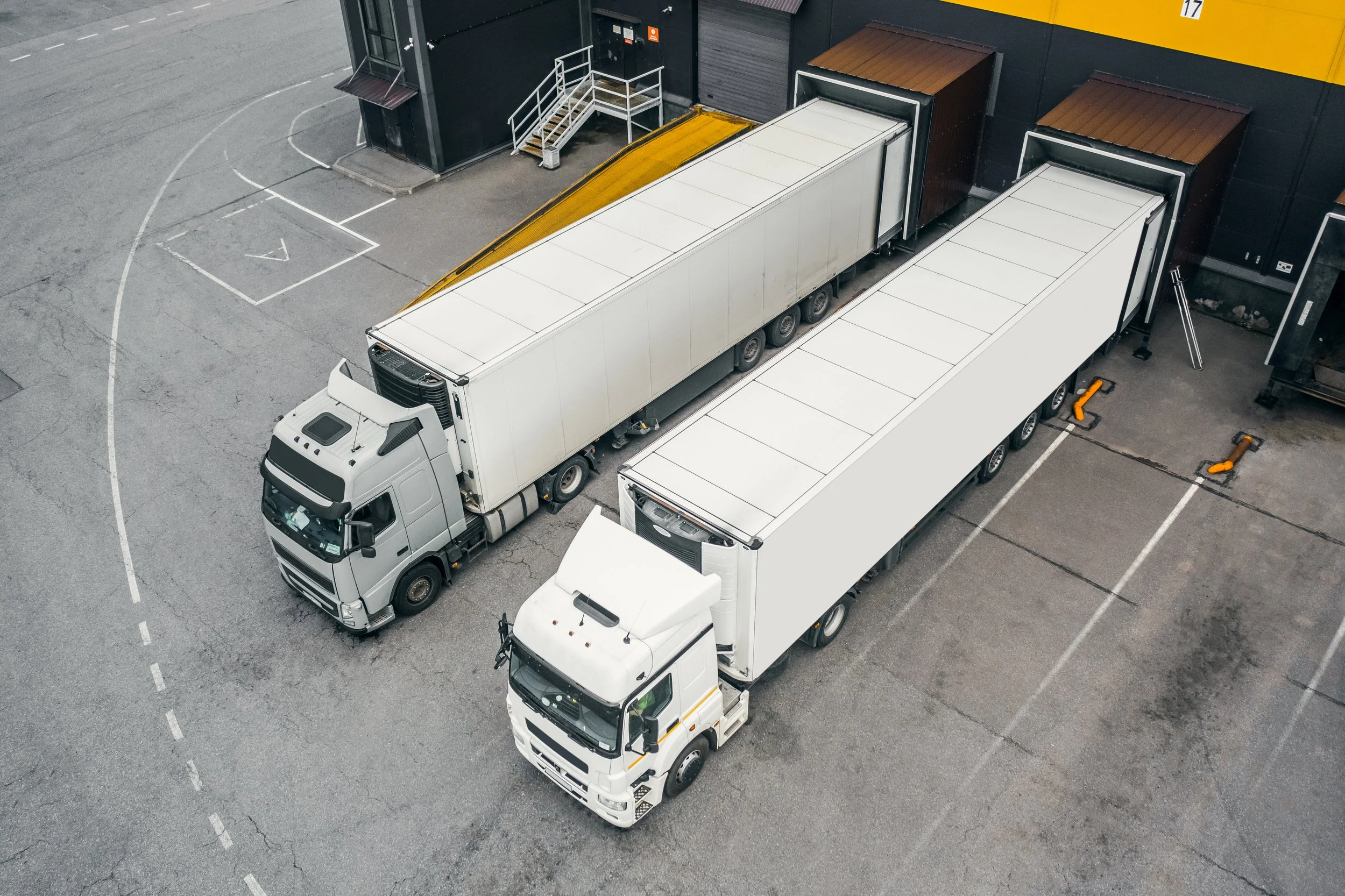
Not every organization has the luxury of building a new facility.
Many warehouses will need to modernize within existing footprints while maintaining daily operations.
As Amazon continues raising expectations around speed and fulfillment performance, Brownfield facilities may need to invest in:
Conveyor upgrades
Additional accumulation capacity
Automated sortation
Robotic palletizing
Mezzanines and space optimization solutions
These improvements can help existing operations compete without requiring complete facility replacement.
Looking Ahead
Amazon's freight expansion is about more than transportation. It represents a broader shift toward fully connected supply chain ecosystems where freight, fulfillment, warehousing, and technology operate as a single network.
For the material handling industry, this trend creates both challenges and opportunities.
Facilities that invest in scalable automation, intelligent material flow, and integrated systems will be best positioned to meet future demand. Those who rely on outdated processes may find it increasingly difficult to keep pace.
At Quintec Integration, we're excited to help customers navigate this evolving landscape. Whether you're exploring conveyor modernization, advanced sortation, robotic automation, or large-scale facility expansion, our team is ready to help build solutions designed for the future of logistics.
Ready to Future - Proof Your Operation?
As freight networks become faster and fulfillment expectations continue to rise, now is the time to evaluate whether your facility is prepared for what's next.
Contact Quintec Integration today to learn how our engineering, automation, installation, and maintenance teams can help your operation stay ahead of the curve.