
Warehouse Automation in 2026: Smarter, Faster, and More Integrated Than Ever
As we look toward 2026, warehouse automation is entering a new era defined by intelligence, flexibility, and seamless orchestration. No longer limited to conveyor belts and standalone robots, tomorrow’s automation systems work smarter, adapt faster, and blend more closely with workforce processes. Reshaping how fulfillment centers operate and how integrators design, deploy, and support these systems.
From real-time AI orchestration to collaborative robotics and modular automation platforms, 2026 promises to redefine what’s possible on the warehouse floor.
1. AI as the Brain Behind Warehouse Operations
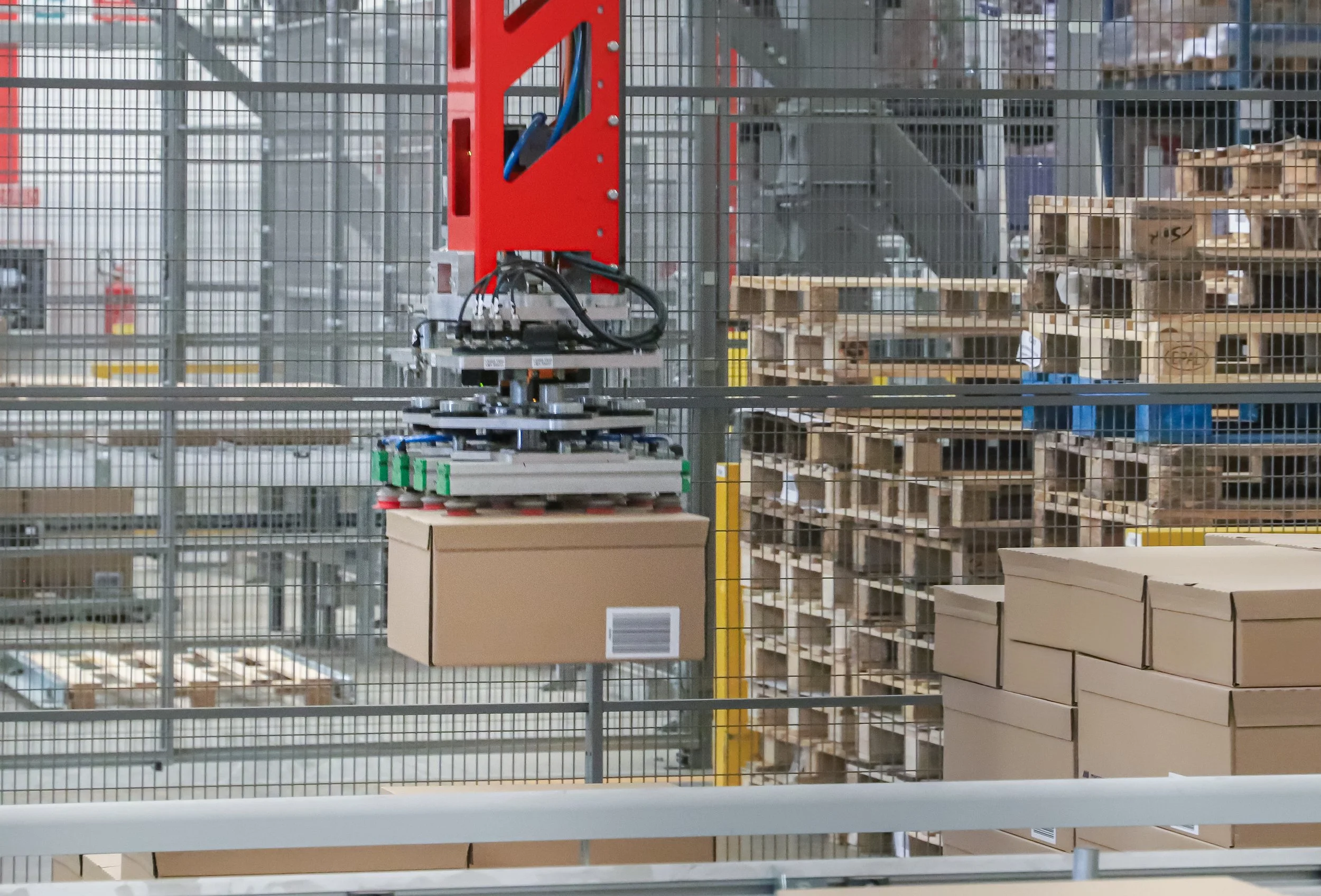
Artificial intelligence is evolving from a forecasting tool into the central decision-making layer in warehouse environments. Instead of simply analyzing historical performance, next-gen AI systems will drive real-time optimization of workflows, labor allocation, and inventory flows. These systems continuously ingest operational data, from order demand signals to labor availability, and adjust workflows on the fly, keeping facilities balanced even under disruption.
This shift means fulfillment centers won’t just react to data, they’ll act on it, optimizing pick paths, rerouting tasks, and reallocating resources without manual intervention.
2. Modular Automation That Grows With You
The traditional model of fixed conveyor lines and rigid automation is giving way to modular, configurable automation platforms. These systems, from goods-to-person robotics to mobile sortation, can scale dynamically to match throughput needs, SKU complexity, and space constraints across facilities. Rather than redesigning an entire layout for every operational change, facilities in 2026 will enable and disable automation modules as needed, reducing downtime, minimizing overbuild, and accelerating ROI.
This modular approach also streamlines replication: solutions that work in one facility can be adapted quickly to others, creating consistency across networks and eliminating duplicated engineering effort.
3. Autonomous Mobile Robots (AMRs) Take Center Stage
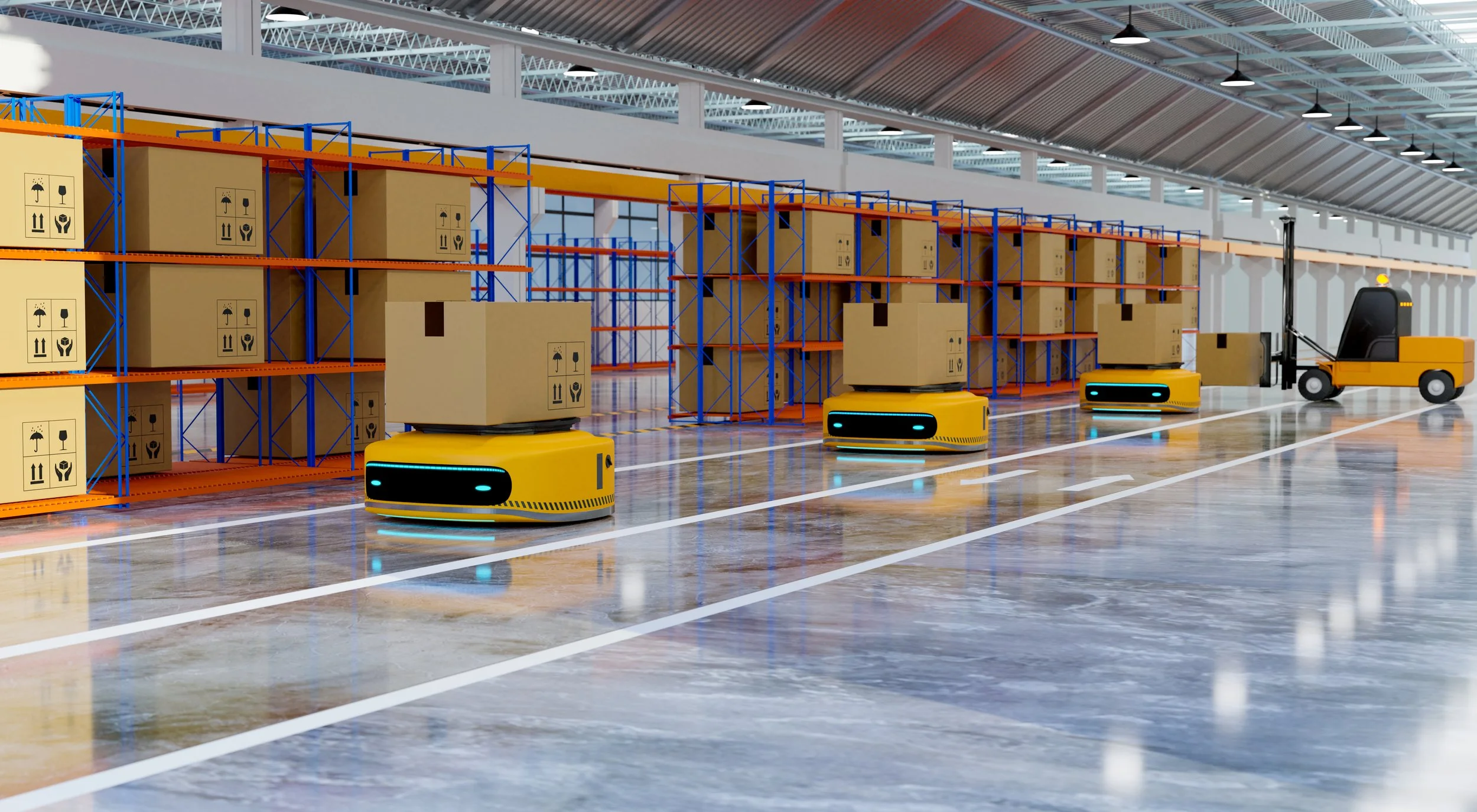
Autonomous mobile robots (AMRs) are poised to dominate intralogistics in 2026. Unlike traditional AGVs that follow fixed guides, AMRs use advanced sensors, AI path planning, and obstacle avoidance to move dynamically through warehouse layouts, collaborating with human workers and other automation systems.
By handling repetitive transport tasks, from case movement to pallet repositioning, AMRs reduce physical strain on workers, improve throughput consistency, and support more flexible facility layouts.
4. Real-Time Orchestration & Decision Intelligence
Warehouse Execution Systems (WES) and real-time orchestration platforms are emerging as the connective tissue of modern automation landscapes. These intelligent systems sit between higher-level planning tools and physical automation hardware, coordinating work across robots, conveyors, and human operators.
Rather than optimizing one subsystem at a time, orchestration platforms dynamically align activity across the entire operation, reprioritizing work, balancing labor with automated assets, and smoothing out bottlenecks before they impact performance.
5. Inbound Automation Finally Comes into Focus
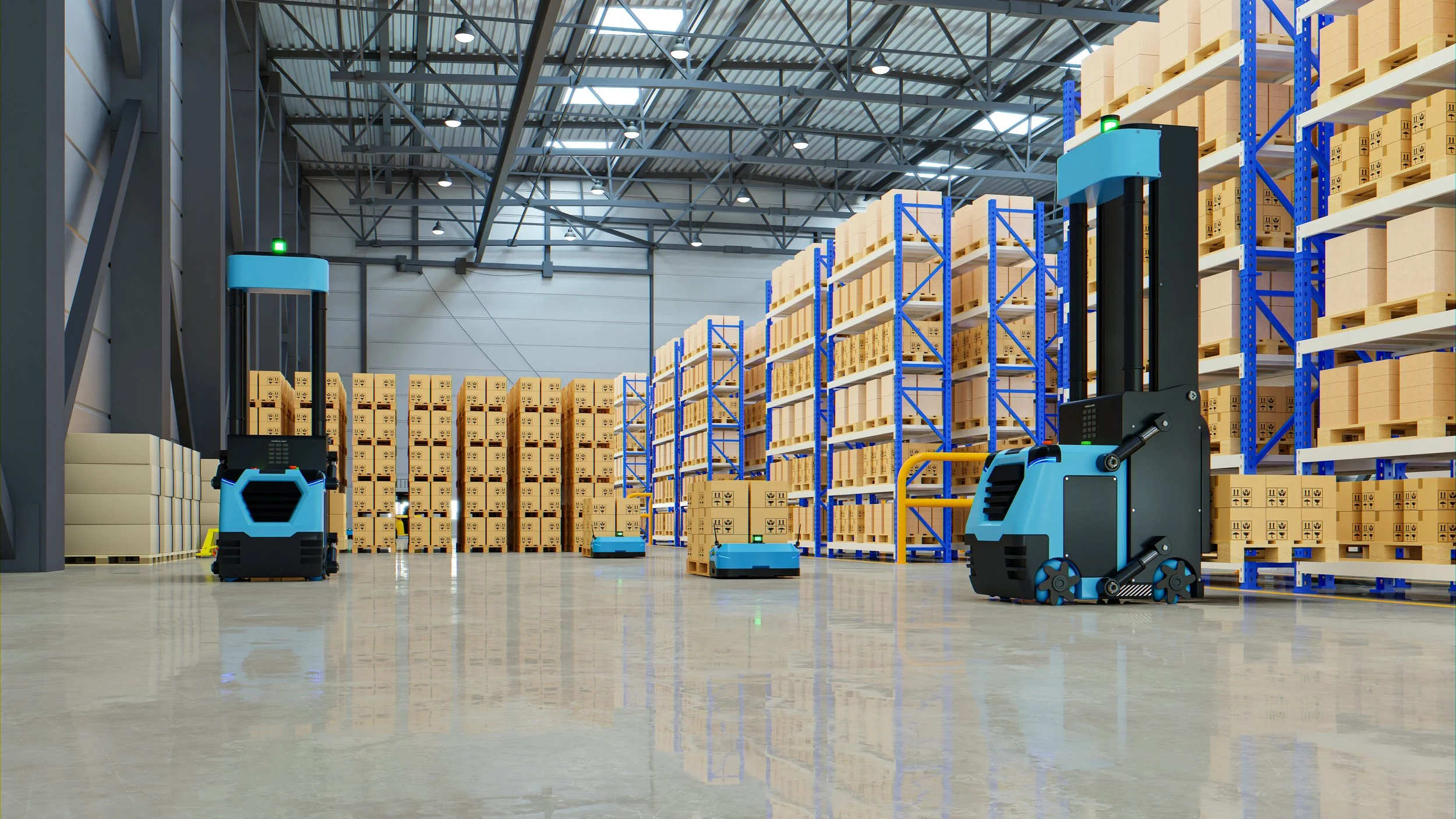
For years, the focus of warehouse automation has centered on outbound order fulfillment. In 2026, inbound processes, such as robotic depalletizing, intelligent inspection, and pallet building, are also getting serious attention. Automated systems will reduce manual staging, improve inbound throughput, and enhance accuracy before items ever reach storage locations or picking zones.
This trend helps facilities optimize the entire lifecycle of inventory movement, not just the last mile of order fulfillment.
What This Means for Integrators
For automation integrators, including Quintec Integration, 2026 represents both opportunity and complexity. The future isn’t just about installing hardware; it’s about delivering fully orchestrated, software-connected solutions that enable facilities to:
Integrate AI planning and responsiveness across systems
Design modular automation networks that scale with demand
Connect robotics, conveyors, and orchestration layers seamlessly
Support predictive maintenance and AI-driven performance insights
Accelerate deployment through smarter software and fewer custom points
Integrators who can blend mechanical systems with advanced software, data intelligence, and real-time orchestration will be the partners of choice for modern fulfillment operations.
Looking Ahead
By 2026, warehouses will no longer be static storage spaces; they will be agile, data-driven ecosystems capable of sensing, deciding, and acting with speed and precision. These advancements will enable businesses to meet rising customer expectations while managing labor challenges and cost pressures.
At Quintec Integration, we’re excited to help our customers navigate this transformative landscape. From conveyors and robotics to AI orchestration and predictive maintenance, we provide the expertise and solutions that enable facilities to succeed now and well into the future.
👉 Contact Quintec today to learn how we can help you integrate the next generation of automation technologies into your operations.
Sources:
Warehouse automation trends include robotics, AI, and autonomous systems driving efficiency.
Inbound automation and AI-enabled robotics are emerging priorities.
AI orchestration and WES platforms are becoming foundational for future operations.
Autonomous mobile robots will play a dominant role in intralogistics.