The Strategic Guide to Modular Conveyor Systems for Industrial Scalability in 2026
Why are the most successful distribution centers treating their floor plans like dynamic assets while your facility remains locked in a rigid, permanent layout? You've likely experienced the high cost of downtime during a system reconfiguration or felt the friction of trying to integrate modern robotics with legacy hardware. It's a common challenge; rigid infrastructure often becomes a bottleneck that prevents you from adapting to changing SKU profiles and fluctuating market demands. High-level competence in logistics requires a shift from static equipment to adaptable solutions.
Discover how modular conveyor systems provide the flexible foundation for modern warehouse automation and long-term operational agility. By viewing your equipment as a strategic investment rather than a fixed cost, you can unlock a truly scalable warehouse layout that reduces maintenance expenses and speeds up the implementation of new technology. This guide examines the latest engineering standards, including the ASME B20.1-2024 safety updates, and details how the 2026 federal tax incentives for equipment can accelerate your return on investment. We'll provide a roadmap for transitioning from static lines to a high-performance, modular environment that grows alongside your business.
Key Takeaways
- Move beyond rigid, custom-welded layouts to embrace standardized components that support rapid reconfiguration as operational demands shift.
- Evaluate the mechanical benefits of 24V DC motor driven roller technology and modular belt solutions for improved energy efficiency and traction.
- Quantify the long-term value of modular conveyor systems by analyzing the "Downtime Dividend" and total cost of ownership over a ten-year lifecycle.
- Explore how hardware modularity serves as the essential connective tissue for integrating advanced robotics and Warehouse Execution Systems.
- Leverage professional process engineering and a strategic integrator-led approach to transform your facility into a dynamic, scalable engine for growth.
What are Modular Conveyor Systems? Defining the New Industrial Standard
The industrial landscape of 2026 no longer rewards rigidity. For decades, material handling relied on custom-built, welded steel structures that were permanent fixtures on the warehouse floor. While durable, these systems became liabilities when SKU profiles changed or throughput requirements shifted. Today, the industry has transitioned toward modular conveyor systems, which are defined by standardized, interchangeable sections that are engineered and assembled rather than fabricated and welded on-site. This shift represents a move toward "plug-and-play" hardware that treats your facility layout as a fluid asset.
Modern industrial environments require high-level agility to stay competitive. By utilizing standardized bed sections, drive modules, and specialized curves, businesses can build a system that meets current needs while remaining open to future expansion. This approach aligns with the latest ASME B20.1-2024 safety standards, ensuring that even as systems are reconfigured, they maintain the highest levels of operational integrity and dust hazard compliance. The ability to quickly swap or add components is the hallmark of a forward-thinking logistics strategy.
The Core Components of a Modular Ecosystem
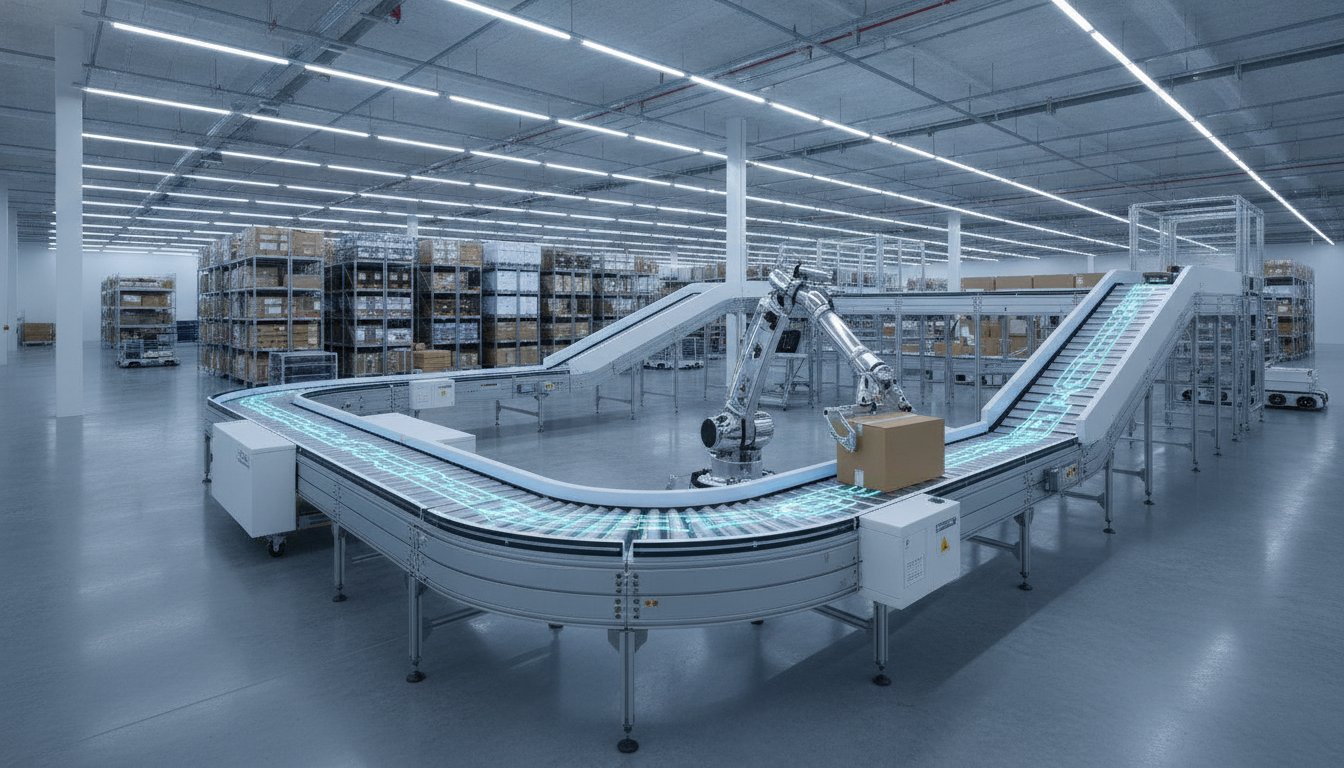
A truly modular system is built on a foundation of structural frames with standardized mounting points. These points allow for the rapid attachment of sensors, side guards, and robotics without the need for drilling or specialized permits. The drive units are equally adaptable, offering choices between internal drum motors for space-saving designs or external motor configurations for easier access during maintenance. Choosing the right transport media is also a critical engineering decision. While modular plastic belts offer exceptional traction and durability for heavy loads, plastic chains provide the flexibility needed for tight radius turns and complex routing. Each component is designed to be removed and replaced with minimal tools, significantly reducing the complexity of long-term upkeep.
Fixed vs. Modular: A Fundamental Shift in Material Handling
Traditional custom conveyors often create what engineers call "automation debt." When a system is welded into place, any change to the workflow requires expensive demolition and reconstruction. Modular designs eliminate this debt by allowing for reconfigurable throughput. If your facility experiences seasonal peaks, you can physically adjust your layout to accommodate higher volumes or different sorting logic. This flexibility simplifies the process engineering phase of facility design, as it allows for a more iterative approach to optimization.
From a financial perspective, the shift to modularity is supported by current economic incentives. Under the law effective July 4, 2026, modular conveyor systems qualify for 100% bonus depreciation. This allows businesses to fully expense the cost of their equipment in the first year, transforming what was once a long-term capital expenditure into an immediate operational advantage. By partnering with a strategic integrator like Quintec, you ensure that your modular hardware is backed by the professional engineering required to scale effectively in a volatile market.
Types of Modular Conveyor Solutions for Modern Facilities
Selecting the right hardware is a critical step in building a resilient facility. Modular conveyor systems aren't limited to simple horizontal transport; they encompass a sophisticated toolkit of specialized components designed for specific industrial challenges. From high-traction belt modules for heavy pallets to intricate sortation gates for small parcels, the diversity of modular hardware allows engineers to treat the warehouse floor as a customizable grid. This variety ensures that your infrastructure can adapt as SKU profiles shift and consumer demands evolve in 2026.
Modular belt conveyors remain a staple for high-traction applications. These systems use interlocking plastic segments that provide a durable, non-slip surface ideal for steep inclines or heavy-duty manufacturing. Unlike traditional flat belts, these modular segments are easily replaced if damaged, preventing the need for a full belt swap. For facilities prioritizing cubic space, vertical modular modules and spiral conveyors offer a way to move product between levels without expanding the building's physical footprint. These vertical solutions integrate seamlessly into horizontal lines, maintaining a continuous flow of goods.
Modular Roller Conveyors (MDR) and Smart Zoning
Motor Driven Roller (MDR) technology represents a significant leap in mechanical efficiency and operational control. By utilizing 24V DC power, these systems allow for Zero Pressure Accumulation (ZPA), where products are held in "zones" and only move when the downstream zone is clear. This "run-on-demand" logic is a major driver of sustainability; modern MDR systems can reduce energy consumption by up to 39% compared to traditional central-drive conveyors. Maintenance is also simplified. If a motor fails, you only need to replace a single roller rather than servicing a massive central drive assembly. For businesses looking to optimize their energy footprint, exploring advanced conveyor maintenance and MDR integration is a logical first step toward long-term savings.
Specialized Modules for Complex Workflows
The true power of modularity is realized during automated sortation. Specialized modules like diverter gates, pushers, and multi-angle ball sorters can be inserted into any part of the line to redirect products with high precision. These components act as the decision points in a facility, allowing for complex routing based on weight, size, or destination. Integration isn't limited to movement; modern modular lines often include "smart" sections equipped with scan tunnels, check-weighers, and dimensioning sensors. These modules capture real-time data, feeding into the 9.98% CAGR growth of the software and analytics sector within the conveyor market. By combining these specialized hardware pieces, you create a cohesive system that handles the most demanding workflows with quiet, professional excellence.
Modularity vs. Custom Design: Evaluating ROI and Scalability
The financial justification for industrial equipment often centers on the initial purchase price, yet a sophisticated Total Cost of Ownership (TCO) analysis reveals a different story over a 10-year lifecycle. Custom-welded systems carry hidden "rigidity costs" that surface whenever a facility needs to expand or repair a section. In contrast, modular conveyor systems offer a strategic financial advantage by transforming infrastructure from a static expense into a reusable asset. This shift is particularly relevant under the federal tax law effective July 4, 2026, which allows for 100% bonus depreciation on qualifying automation equipment. This immediate expensing significantly improves the ROI calculation for businesses looking to modernize their floor plans without waiting years for traditional depreciation schedules.
Operational agility also creates what we call the "Downtime Dividend." In a custom-built environment, a structural failure or a simple belt tear can halt production for days while specialized technicians perform on-site welding or custom fabrication. Modular units allow for a rapid swap of entire bed sections or drive modules, slashing the Mean Time to Repair (MTTR). This ability to maintain high uptime is essential when labor shortages are already straining production capacity. By utilizing standardized components, you aren't just buying hardware; you're purchasing insurance against future operational bottlenecks.
Speed of Implementation and Deployment
The transition to modularity drastically accelerates project timelines. While traditional systems require extensive on-site fabrication, modular assembly can reduce project durations by as much as 50%. This speed is facilitated by pre-configured CAD drawings that allow for precise planning and faster engineering lead times. Businesses can also leverage "phased automation," where they install the foundational modular line today and add specialized sortation or robotics modules as capital becomes available. This incremental approach manages capital expenditure while ensuring the facility is always ready for the next stage of growth.
Maintenance and Spare Parts Management
Standardization simplifies the complexity of spare parts inventory. Instead of stocking hundreds of unique components for different custom lines, a modular facility relies on a streamlined set of universal parts that fit across the entire system. This consistency is a cornerstone of modern modular conveyor systems. As we move through 2026, these systems are increasingly integrated with IoT sensors that provide real-time data on motor health and belt tension. To ensure the wireless backbone for these sensors is reliable, specialists like QuantSec offer professional network design and site surveys. With the software and analytics sector of the conveyor market growing at a 9.98% CAGR, predictive maintenance has moved from a luxury to a standard operational requirement. These smart sensors identify potential failures before they cause an outage, allowing your maintenance team to perform proactive swaps during scheduled windows rather than reacting to emergency breakdowns.

The Engineering Logic: Integrating Modularity with Warehouse Automation
In the modern industrial environment, hardware is no longer a standalone purchase. It serves as the connective tissue that binds disparate automated technologies into a unified ecosystem. While individual robots or sorters provide specific capabilities, modular conveyor systems provide the foundational infrastructure that ensures these high-tech assets receive the right product at the right time and in the correct orientation. This integration requires a shift in thinking; you must design the logic of the material flow before a single piece of steel is bolted to the floor.
Process Engineering is the strategic optimization of material flow logic.
Autonomous Mobile Robots (AMRs) represent the peak of floor-level flexibility, yet they rely on standardized induction points to transfer goods into the main sortation loop. Modular sections allow for the rapid creation of these exchange zones, which can be moved or expanded as your AMR fleet grows. This synergy between mobile and fixed automation is what defines a high-performance facility in 2026. By treating your conveyor line as a series of data-enabled nodes, you create a system that is as intelligent as it is physically adaptable.
Robotics and Automated Sortation Synergy
Designing modular pick-and-place stations for robotic arms requires high-level mechanical precision. If a conveyor section vibrates or lacks consistent positioning, the robotic vision system will struggle to identify and grasp items. Standardized modular frames provide the rigid mounting points needed for sensors and scanners to achieve the sub-millimeter accuracy required for high-speed sortation. These "Smart Modules" often feature decentralized control logic, meaning each section can make local routing decisions without burdening the central server. This distributed intelligence allows for faster response times at diverter gates and induction points, which is essential for maintaining high throughput during peak periods.
Software-Driven Modularity
Software-driven modularity is the bridge between physical hardware and the Warehouse Execution System (WES). By integrating PLC controls directly into the modular units, facilities achieve seamless communication across the entire line. Engineers now use digital twins to simulate modular reconfigurations in a virtual environment before making physical changes, ensuring that any layout update will meet throughput goals. A robust WES manages this intersection, tracking every SKU as it moves through various modular zones and adjusting belt speeds in real-time to prevent congestion. This level of control is necessary as the software and analytics segment of the market continues its projected 9.98% CAGR through 2026. If you're ready to modernize your facility's logic, you can consult with our process engineering experts to design a truly integrated system.
Partnering for Success: Quintec’s Integrated Modular Solutions
Successful implementation of modular conveyor systems requires more than just high-quality hardware. It demands a strategic partner who understands how these components interact within a larger, complex facility ecosystem. While a manufacturer-direct purchase provides the equipment, an integrator-led approach ensures that the system is optimized for your specific material flow. Quintec acts as this strategic guide, leveraging over 100 years of collective industry experience to transform standard modules into high-performance assets. We don't just sell equipment; we engineer the connective tissue of your logistics operation.
Quintec’s national footprint allows for the seamless execution of large-scale industrial installations across the United States. We provide comprehensive solutions that include process engineering, robotics integration, and warehouse racking coordination. This holistic view prevents the common pitfalls of siloed procurement, where individual components fail to communicate or fit within the existing infrastructure. By managing the entire project lifecycle, we ensure that your transition to a flexible, modular layout is smooth, professional, and built for long-term stability.
Custom Engineering within a Modular Framework
Even within a standardized framework, every facility has unique constraints. Our team balances the benefits of modularity with the necessity of custom engineering to ensure your system integrates perfectly with existing warehouse racking and infrastructure. The Quintec design process moves methodically from initial CAD modeling to final commissioning on the warehouse floor. This thoroughness ensures that the reconfigurable throughput discussed earlier is actually achievable within your specific building footprint. We prioritize the logic of the flow, ensuring that every drive unit and bed section serves a strategic purpose in your overall automation goals.
National Installation and Support
Managing multi-site deployments requires a level of coordination that many regional vendors cannot provide. Quintec offers a national reach for both installation and ongoing conveyor maintenance, protecting your investment for its entire lifecycle. Our maintenance programs are designed to support the predictive sensors and IoT technology found in 2026-era hardware, ensuring that your Mean Time to Repair remains low and your uptime remains high. If you're ready to move beyond static infrastructure and embrace a truly scalable layout, you should consult with Quintec’s experts for your modular conveyor design. Our team is prepared to guide you through the complexities of modern automation with the quiet confidence of an industry leader.
Future-Proofing Your Facility with Adaptable Infrastructure
Building a resilient industrial operation requires more than just high-speed hardware; it demands a foundation that can evolve. As we've discussed, the transition to modular conveyor systems provides the mechanical and digital flexibility needed to stay competitive in the 2026 market. By leveraging immediate tax incentives and reducing the "automation debt" associated with fixed equipment, you position your facility for long-term operational excellence. Whether you're integrating advanced robotics or simply preparing for future seasonal peaks, the logic of modularity ensures your infrastructure remains a catalyst for growth rather than a bottleneck.
Choosing the right partner is essential to realizing this vision. With over 100 years of collective industry experience and a national footprint for installation and maintenance, Quintec provides the seasoned authority and engineering precision required for large-scale success. We specialize in complex robotics and automated sortation integration, ensuring your facility operates with high-level competence. Partner with Quintec for your next modular conveyor integration and secure the stability your project deserves. It's time to build a smarter, more agile future together.
Frequently Asked Questions
What are the main benefits of modular conveyor systems over traditional ones?
Modular conveyor systems offer superior flexibility because they consist of standardized, interchangeable sections rather than custom-welded structures. This design allows for rapid reconfiguration and expansion without the need for specialized permits or on-site fabrication. Businesses benefit from reduced downtime and a lower total cost of ownership over a ten-year lifecycle. These systems treat your floor plan as a dynamic asset that adapts to changing SKU profiles and market demands.
Can modular conveyors handle heavy-duty industrial loads like pallets?
Yes, modular solutions are engineered to handle high-traction applications including pallet-level industrial loads. Modular belt conveyors utilize interlocking plastic segments that provide exceptional durability and grip for heavy-duty manufacturing. These components are specifically designed to manage the weight and stress of palletized goods while maintaining the same "plug-and-play" advantages of smaller parcel systems. This ensures heavy industrial facilities can scale without sacrificing agility.
How long does it typically take to install a modular conveyor system?
Installation timelines for modular conveyor systems are typically up to 50% shorter than those for traditional, custom-built lines. Because the sections are pre-engineered and assembled rather than fabricated on-site, the mechanical setup is significantly streamlined. This speed is further enhanced by pre-configured CAD drawings and standardized mounting points. For businesses facing labor shortages in 2026, this faster deployment is a critical advantage for meeting aggressive project deadlines.
Are modular conveyor systems compatible with existing warehouse automation software?
Modern modular hardware is fully compatible with Warehouse Execution Systems (WES) and advanced automation software. These systems utilize integrated PLC controls to enable seamless communication between the conveyor line and higher-level facility logic. As the software and analytics sector grows at a 9.98% CAGR, modularity ensures that your physical hardware can keep pace with digital updates. This compatibility allows for real-time tracking and autonomous routing across the entire system.
What is the role of a conveyor system integrator in a modular project?
An integrator acts as a strategic partner who manages the complex intersection of hardware, robotics, and process engineering. While manufacturers focus on equipment production, the integrator ensures the entire ecosystem functions as a unified engine. They design the material flow logic and manage the national-scale installation and maintenance coverage required for large industrial projects. This expert guidance prevents the inefficiencies often found in siloed, manufacturer-direct purchases.
How do modular conveyors improve warehouse safety and ergonomics?
Modular designs improve warehouse safety by meeting the latest ASME B20.1-2024 standards, which include updated maintenance and lubrication procedures. The use of Motor Driven Roller (MDR) technology also significantly reduces noise levels, creating a better environment for floor staff. Standardized mounting points allow for the easy addition of safety guards and emergency stops, while the elimination of on-site welding reduces fire hazards during the installation process.
Can I reconfigure my modular conveyor system if my warehouse layout changes?
You can absolutely reconfigure your system as your warehouse layout or SKU profiles change. The standardized bed sections and interchangeable drive modules are designed to be moved and reassembled with minimal tools. This reconfigurable throughput is a primary driver for the 9.12% CAGR growth in modular systems. It allows you to adjust your facility's logic to accommodate seasonal peaks or new automation induction points without full system replacement.
What maintenance is required for modular motor-driven roller (MDR) systems?
Maintenance for modular conveyor systems using MDR technology focuses on the predictive monitoring of individual rollers via IoT sensors. Unlike central-drive systems that require massive assembly service, MDR allows for the rapid swap of a single roller if a failure occurs. This approach slashes the Mean Time to Repair (MTTR) and minimizes operational disruption. Regular inspections and adherence to updated 2024 safety standards ensure long-term reliability and peak mechanical efficiency.